
Journal
Dunhuang Apsaras Art | Ancient Chinese Intangible Cultural Heritage
Echoes of the Silk Road: The Evolution of China’s Celestial Dancers Through Millennia
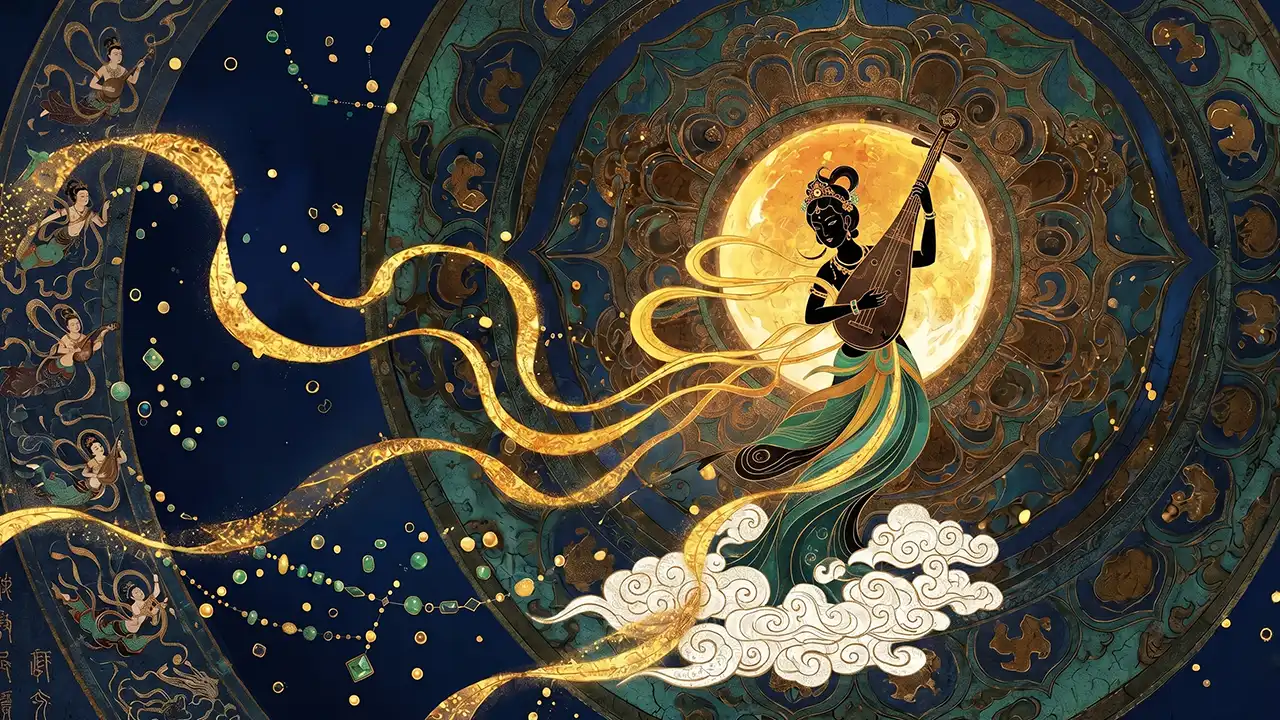
Dunhuang Apsaras are the most classic and beautiful artistic icons of ancient Chinese culture. For thousands of years, they have adorned the walls of Dunhuang grottoes, symbolizing peace, freedom and gentle spirituality unique to the East.
Originally derived from ancient Asian mythology, Apsaras are celestial dancers and singers that symbolize joy and good fortune. Through cultural exchanges along the ancient Silk Road, this artistic form was introduced to China. It gradually integrated with traditional Chinese aesthetics and finally evolved into a unique, brand-new Chinese artistic symbol.
The greatest charm of Dunhuang Apsaras lies in their unique way of flying. Unlike Western angels with wings, Apsaras have no feathers or wings. Ancient painters depicted figures soaring with the wind through flowing silk ribbons and lingering cloud patterns, creating a light, vivid and ethereal Eastern artistic conception that embodies exclusive Chinese imagination and aesthetic heritage.
Over thousands of years, the artistic style of Apsaras has been constantly evolving. Early Apsaras feature simple lines and a primitive charm. In the prosperous eras of ancient China, the images became gorgeous, unrestrained and vivid, with diverse postures of scattering flowers and playing music. In later periods, the style turned elegant and tranquil, retaining an ever-lasting gentle and soothing beauty.
Apsaras are not solemn religious idols, but spiritual symbols carrying the beautiful wishes of ancient people. They represent breaking free from worldly distractions, maintaining inner purity, and pursuing a state of freedom and peace. Ancient craftsmen used natural mineral pigments to paint grotto murals all their lives, passing on this ultimate Eastern aesthetic from generation to generation.
To this day, the thousand-year-old Dunhuang Apsaras still shine brightly. As a precious intangible cultural heritage of China, it witnesses the integration and collision of ancient civilizations, and carries the timeless Eastern beauty of freedom, gentleness and tranquility.